


Categories List
Recent Posts
 Market Data | By 2026, the scale of commercial rail lighting will exceed 9.8 billion yuan, with guide rails and supporting accessories becoming the core of incremental growthJul 07, 2026
 New Product Release | Wireless Conductive Rail System Launched, Shelf Rail Accessories Say Goodbye to Exposed WiringJul 07, 2026
 Technical Patent | Sunshine Lighting's New Rail Bracket Lamp Patent Landing, Rail Accessories Achieve Tool free Quick Installation UpgradeJul 07, 2026
Introduction: What Are Profile Track Lights?
Profile track lights are a customized lighting system where the track itself is manufactured from specially designed aluminum extrusion profiles instead of standard commercial square or round tracks. Unlike traditional track lighting rails, aluminum profile track lights allow designers and architects to create unique lighting structures that integrate seamlessly with modern interiors.
As a professional Aluminum Track Lighting Rails Manufacturer, we understand that high-end projects require more than a lighting fixture. They need a complete architectural lighting solution that combines design, functionality, and precision manufacturing.
Custom profile track lights transform traditional ceiling-mounted lighting into an architectural element — becoming part of the ceiling design itself rather than just an installed product.
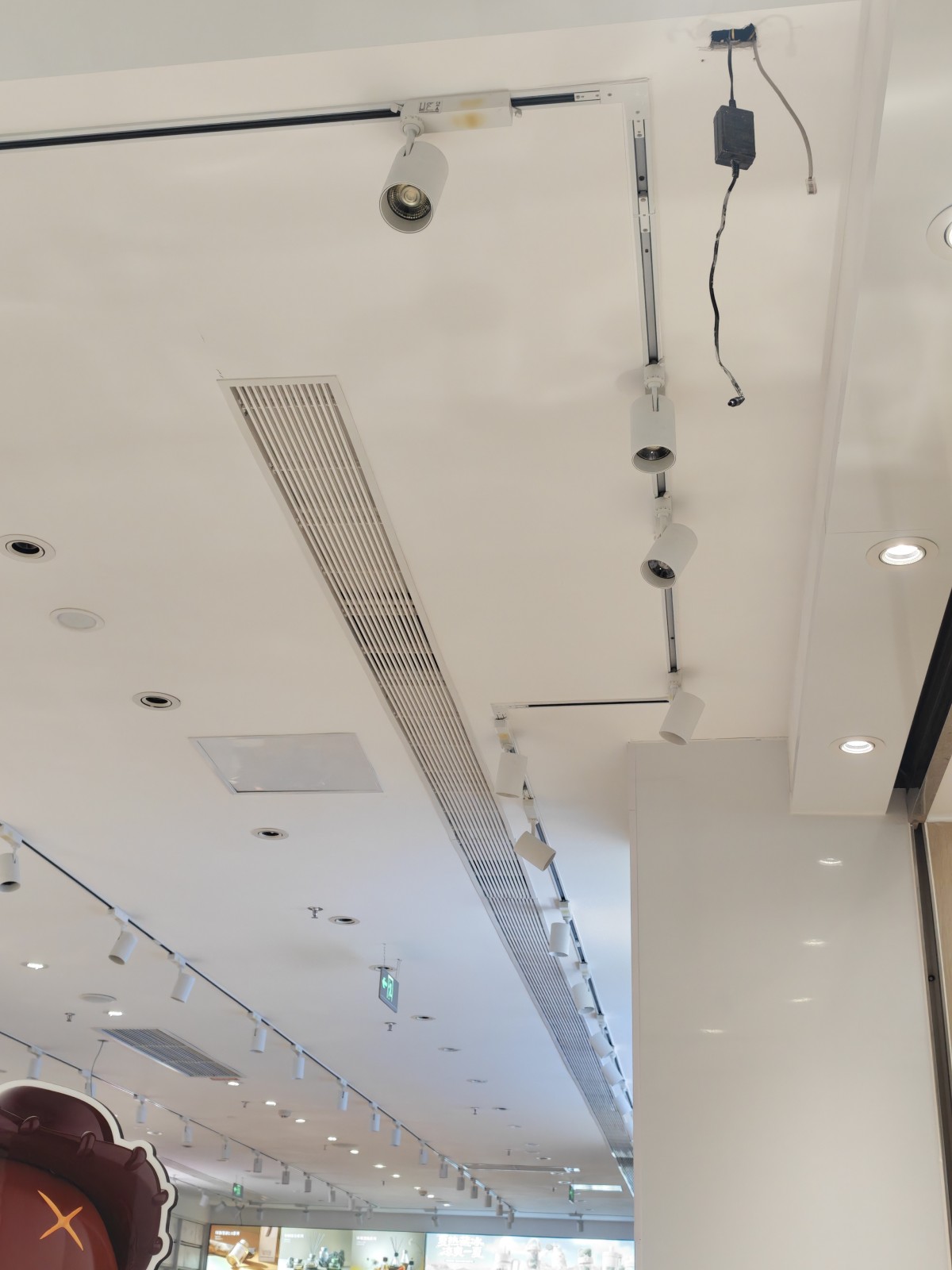
Core Advantages of Custom Aluminum Profile Track Lights
1. Unlimited Design Freedom and Custom Shapes
The biggest advantage of aluminum profile track lighting is customization. Through custom extrusion molds, aluminum profiles can be designed into almost any shape or structure.
Examples include:
- Ultra-thin linear tracks as narrow as 8mm
- Decorative recessed lighting channels
- Curved or circular lighting paths
- Custom shapes matching ceiling structures
- Integrated profiles combining lighting with architectural elements
This allows designers to create straight lines, curves, circles, or completely unique lighting patterns that match the concept of a commercial space.
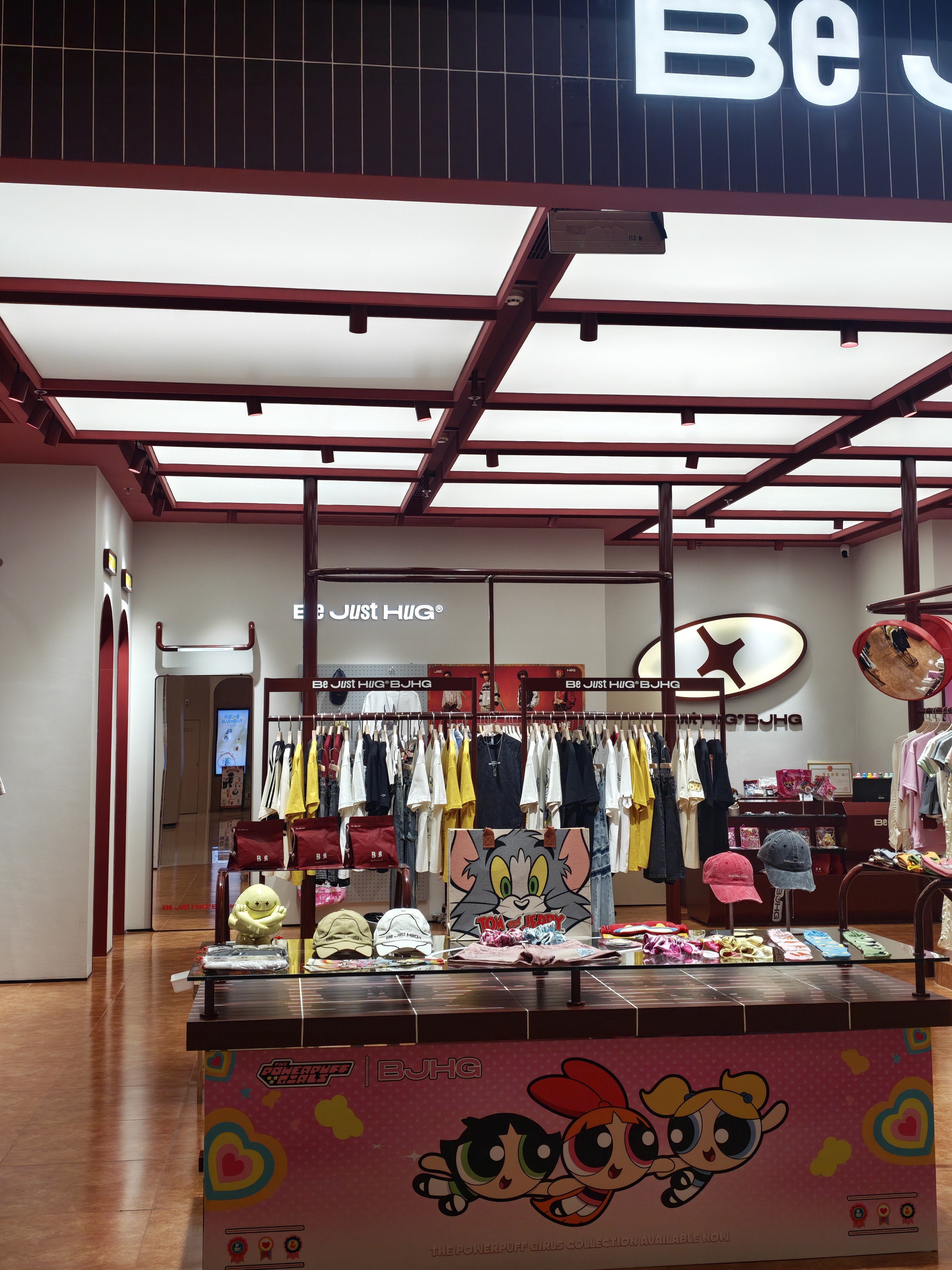
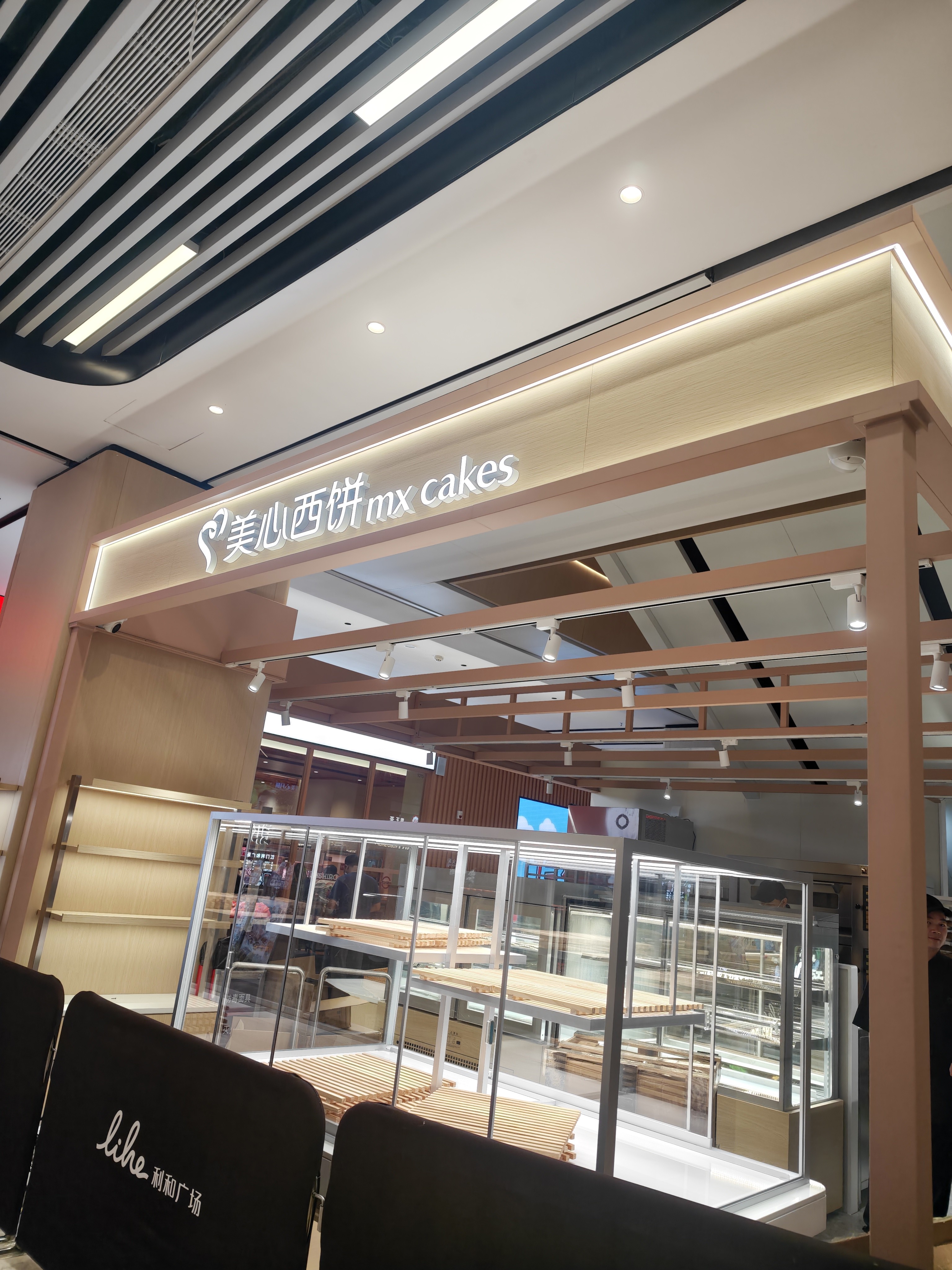
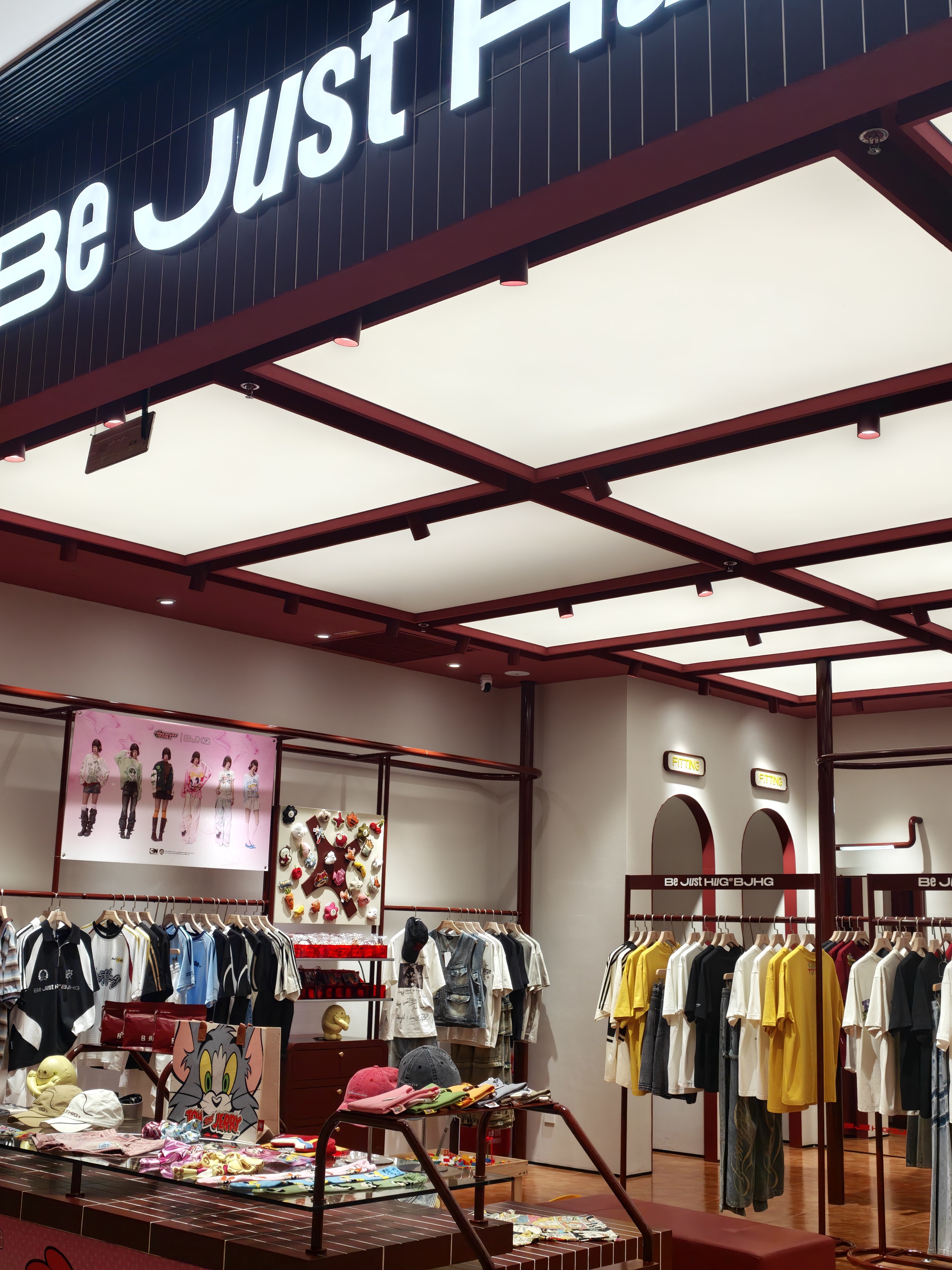
In luxury hotels, retail stores, museums, and brand showrooms, customized track lighting rails become part of the visual identity of the environment.
Custom Surface Finishing Options
Aluminum profile track lights are not limited to standard finishes. Different surface treatments can help the lighting system perfectly match interior materials.
Common finishing options include:
Anodized Aluminum Finishes
Popular colors include:
- Black
- White
- Silver gray
- Champagne gold
Anodizing provides excellent corrosion resistance and a premium metallic appearance.
Powder Coating and Fluorocarbon Coating
For projects requiring special colors or durability, custom coatings can achieve specific design effects.
Wood Grain Transfer
Wood texture finishes allow aluminum profiles to blend with wooden ceilings, panels, and luxury interior designs.
Brushed Metal Finishes
Metal brushing creates a high-end industrial appearance suitable for modern commercial spaces.
Integrated Function Design: More Than Lighting
One of the biggest trends in modern architecture is integrated ceiling design.
A customized aluminum profile track can combine multiple functions:
- LED lighting track
- Linear air conditioning outlet
- Hidden speaker grille
- Inspection access opening
- Decorative ceiling element
This integrated approach reduces unnecessary openings and creates a cleaner minimalist appearance.
Instead of multiple visible ceiling components, one customized aluminum profile creates a unified architectural system.
Applications in Premium Commercial Spaces
Creating the “Lighting Skeleton” of a Space
In luxury applications, profile track lights are not simply lighting products. They define the movement and atmosphere of the space.
Typical applications include:
- Luxury hotel lobbies
- High-end retail stores
- Brand flagship stores
- Art galleries
- Exhibition halls
- Commercial showrooms
The position, direction, intersection, and finishing details of the lighting rails are carefully planned during the design stage.
Seamless Installation and Invisible Integration
One major benefit of custom aluminum track lighting rails is the ability to achieve a “built-in” appearance.
Through accurate extrusion design, the profile can perfectly connect with:
- Gypsum board ceilings
- Metal panels
- Wooden decorative surfaces
The final installation creates almost invisible joints and a flush-mounted appearance.
Compared with traditional embedded lighting systems, aluminum profiles provide greater flexibility during installation and future maintenance.
Custom Molding Process for Aluminum Profile Track Lights
The manufacturing process usually includes several important stages.
Step 1: Design and Engineering Development
Before production begins, designers and engineers define:
- Profile dimensions
- Cross-section structure
- Lighting compatibility
- Installation method
- Heat dissipation requirements
Professional suppliers can provide CAD drawings and technical recommendations.
Step 2: Aluminum Extrusion Mold Development
Custom aluminum profiles require specially developed extrusion molds.
The mold determines:
- Profile shape
- Internal structure
- Mounting channels
- Product appearance
The mold development process usually requires engineering evaluation and testing to ensure extrusion quality.
Step 3: Aluminum Extrusion Production
During extrusion, heated aluminum billets are pressed through the custom mold to create continuous profile shapes.
After extrusion, profiles typically go through:
- Cooling
- Straightening
- Cutting
- Quality inspection
High-quality extrusion production ensures stable dimensions and accurate installation.
Step 4: Surface Treatment and Finishing
After extrusion, profiles can receive customized surface treatments based on project requirements.
Options include anodizing, powder coating, wood grain transfer, and special decorative finishes.
Step 5: LED Track Lighting Assembly
The final stage includes integration with:
- LED modules
- Track adapters
- Drivers
- Diffusers
- Installation accessories
A professional manufacturer can provide a complete solution from aluminum profile design to finished lighting products.
Cost Factors of Custom Aluminum Profile Track Lights
Custom profile track lighting costs depend on several factors.
1. Mold Development Cost
The biggest initial investment is usually the extrusion mold.
Factors affecting mold cost:
- Profile complexity
- Size
- Internal structure
- Engineering requirements
Because mold costs are a one-time investment, customized aluminum tracks are more suitable for large projects or repeated brand applications.
2. Aluminum Material and Profile Size
Larger and more complex profiles require more aluminum material, increasing production costs.
3. Surface Treatment Requirements
Standard anodizing is usually more economical, while special finishes such as wood grain or customized coatings increase costs.
4. Order Quantity (MOQ)
Custom aluminum extrusion production usually requires a minimum order quantity.
For this reason, profile track lights are commonly selected by:
- Commercial developers
- Lighting brands
- Architectural projects
- Large distributors
Typical Lead Time for Custom Aluminum Track Lighting
The production timeline depends on project complexity.
A typical process includes:
- Design confirmation: 3–7 days
- Mold development: around 7–20 days
- Sample production and testing: 7–15 days
- Mass production: 15–30 days
Complex designs or special finishes may require additional time.
Working with an experienced Aluminum Track Lighting Rails Manufacturer can significantly reduce development risks and improve production efficiency.
How to Choose the Right Aluminum Profile Track Lighting Manufacturer
Choosing the correct supplier is critical because custom profile lighting requires engineering capability.
Look for a manufacturer with:
Independent Mold Design Capability
A professional factory should be able to develop custom extrusion molds instead of relying on standard profiles.
Aluminum Extrusion Production
Manufacturers with their own extrusion facilities can better control:
- Quality
- Delivery time
- Cost
Lighting Integration Experience
The ideal partner should understand both aluminum extrusion and lighting systems.
A complete supplier can provide:
- Product design support
- Mold development
- Aluminum extrusion
- Surface finishing
- LED lighting assembly
- Installation guidance
Why Custom Profile Track Lights Are the Future of Architectural Lighting
Modern commercial spaces are moving toward cleaner, smarter, and more integrated designs.
Custom aluminum profile track lights provide:
- Unique architectural appearance
- Flexible lighting layouts
- Seamless ceiling integration
- Brand-specific design solutions
- High-end visual experiences
They are not simply lighting products — they are a complete “architectural lighting system” that turns creative concepts into reality.
Frequently Asked Questions
1. What are aluminum profile track lights?
Aluminum profile track lights are customized lighting systems made from specially designed aluminum extrusion rails. They allow unique shapes, finishes, and integrated ceiling designs.
2. How long does it take to make custom aluminum profiles?
The lead time usually depends on mold development, testing, and production volume. Most custom projects require several weeks from design approval to mass production.
3. Are custom aluminum track lights expensive?
Custom track lighting requires mold investment and engineering development, so the initial cost is higher than standard tracks. However, it is ideal for premium projects requiring unique designs and large quantities.
4. Can aluminum track lighting profiles be customized in different shapes?
Yes. Custom extrusion molds allow manufacturers to create straight, curved, recessed, ultra-thin, or complex architectural profile designs.
5. What projects use customized profile track lights?
They are widely used in hotels, retail stores, museums, galleries, offices, and luxury residential projects where design and lighting integration are important.
Leave A Reply
Need More Details?
Contact me for details on creating and managing design projects, project features, and services and prices
